




.


In the last years, there is an increasing concern regarding the safety and potentially adverse effects of synthetic chemicals used for food preservation or in medicine. Therefore, many research groups were interested to the functional role of natural products especially plant extracts.
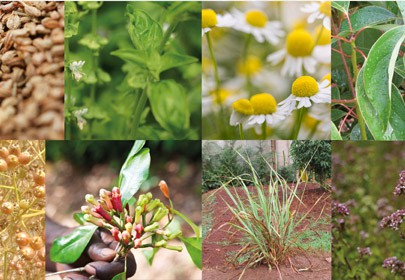
There is a huge concern in the medical field concerning the emergence of bacterial resistance to antibiotics. Essential oils are a source of antibacterial compounds that can overcome this problem. Ten essential oils that are commercially available were investigated in the present study: ajowan, basil, German chamomile, Chinese cinnamon, coriander, clove, lemongrass, Spanish lavender, oregano and palmarosa.
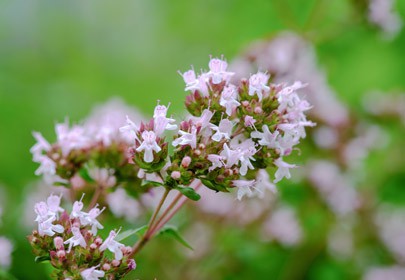
In the present study, essential oil of Origanum compactum was analysed and its chemical composition was identified by gas chromatography coupled to mass spectrometry (GC-MS). Among thirty two assayed constituents, carvacrol (30.53%), thymol (27.50%) and its precursor g-terpinene (18.20%) were found to be the major components.
The effect of cinnamon bark essential oil on these two strains was evaluated by plate counts, potassium leakage, flow cytometry and transmission electron microscopy (TEM). Exposure to this oil induced alterations in the bacterial membrane of Ps. aeruginosa, which led to the collapse of membrane potential, as demonstrated by bis‐oxonol staining, and loss of membrane‐selective permeability, as indicated by efflux of K+ and propidium iodide accumulation.
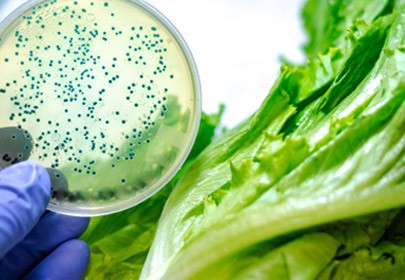
This study was undertaken to determine the in vitro antimicrobial activities of 15 commercial essential oils and their main components in order to pre‐select candidates for potential application in highly perishable food preservation.

In previous study, thirty essential oils were evaluated in vitro against two citrus pathogens namely Penicillium italicum Wehmer and Penicillium digitatum Sacc. Essential oils of Cinnamomum zeylanicum, Cinnamomum verum and Eugenia caryophyllus were selected because of their high inhibitory activities against both pathogens. The present study was undertaken to evaluate the in vivo activity of these essential oils.